


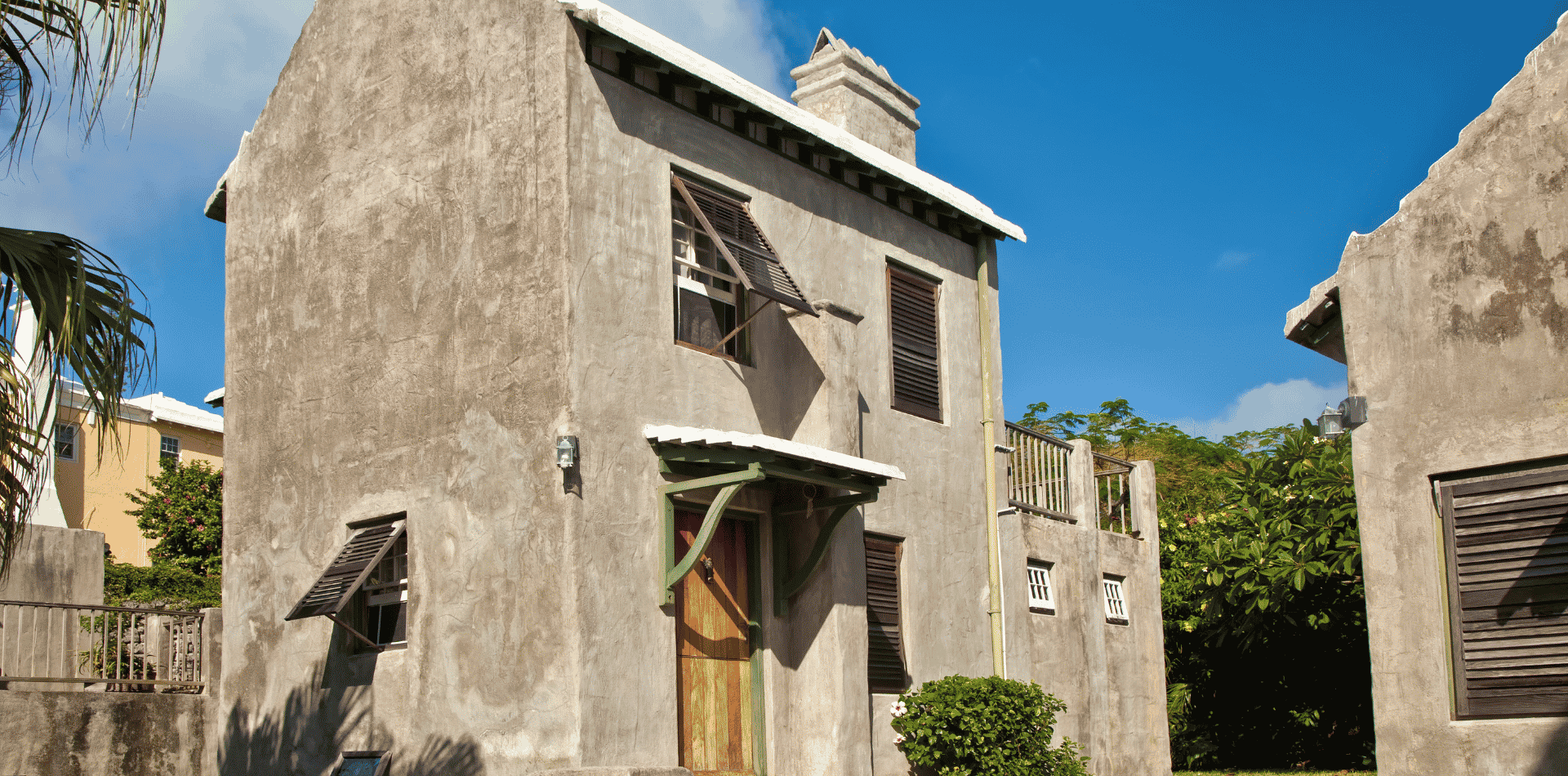
Cyprus holds a vast, untapped solution to its ongoing housing crisis hidden in plain sight. Data from the Cyprus Scientific and Technical Chamber (ETEK) reveals that roughly 30,000 structures stand unoccupied across the island, properties that could be refurbished to significantly boost the supply of affordable rental housing.
The issue was brought forward by Charalambos Theopemptou, former chairman of the parliamentary Environment Committee. After relocating to the Agios Andreas district in Nicosia, he observed a striking number of abandoned structures and historic mansions. Subsequent research confirmed that vacant, deteriorating properties are a widespread problem across both urban centers and rural communities.
Lessons from European Precedents
To identify effective remedies, Theopemptou reviewed strategies utilized by other European Union nations to reactivate unused real estate:
-
Ireland: Direct financial assistance for property restoration, offering up to €50,000 for vacant units and €70,000 for severely dilapidated structures.
-
France: Targeted tax penalties levied against residential properties left deliberately unoccupied in high-demand zones.
-
Spain: Discretionary authority granted to local municipalities to charge property tax surcharges on long-term vacant housing.
-
Portugal: Dedicated urban regeneration funds designed to subsidize the structural recovery and reuse of existing buildings.
While the Cyprus Ministry of Interior currently offers subsidies up to €40,000 to renovate three bedroom homes, broader structural mechanisms are needed to tackle the issue at scale.
Strategic Proposals to Mobilize Idle Buildings
1. Establishing a National Vacancy Register
The primary step involves local municipalities collaborating with the Ministry of Interior to compile a comprehensive database of vacant, derelict, and structurally compromised properties. The registry would categorize assets based on structural safety, historical significance, and proximity to essential infrastructure, such as schools and transit routes, allowing authorities to prioritize high-impact developments.
2. Aligning Incentives with Owner Obligations
Property owners willing to reactivate unused buildings should receive streamlined technical advice, simplified administrative processing, and direct financial aid. Existing national programs, such as the Exoikonomo–Anavathmizo energy upgrade schemes, could be adapted to prioritize vacant units being returned to active residential status.
3. Fostering Community and Social Integration
Rehabilitated properties can serve purposes beyond traditional housing. They can fulfill urgent demands for student accommodation, localized retail spaces, and neighborhood cultural centers. Municipalities could pursue long-term leases, public-private partnerships, and social enterprise models to revitalize town centers without reliance on new construction.
4. Expediting Permits and Tapping EU Resources
To accelerate project delivery, authorities should introduce fast-tracked approval pathways for minor refurbishment works, such as structural assessments, utility reconnections, accessibility improvements, and basic hazardous material removal. Aligning local policy with the European Commission’s Renovation Wave initiative would further allow Cyprus to secure EU funding to support urban renewal targets.
5. Ensuring Public Transparency
Municipalities should publish progress metrics, tracking registered properties, dangerous structures addressed, and units successfully converted into affordable housing. Maintaining public accountability will strengthen future funding applications and measure the tangible impact on neighborhood safety and housing availability.
Source : Cyprus Property News